March 14, 2026
Video
Strengthen Healthcare
A man paralyzed after a medical procedure
Updates & Stories
News, impact stories, and updates from our work on the ground.
A man paralyzed after a medical procedure
Understanding Hospital Beds and Chairs Syndrome: A Silent Health Challenge
In modern healthcare environments, hospitals are places of healing, recovery, and care. However, within these same environments, a silent and often overlooked condition continues to affect both patients and healthcare systems worldwide. This condition is commonly referred to as Hospital Beds and Chairs Syndrome.
Hospital Connect believes that awareness is the first step toward change. By understanding this syndrome, healthcare professionals, patients, caregivers, and institutions can work together to improve patient recovery, comfort, and overall well-being.
What Is Hospital Beds and Chairs Syndrome?
Hospital Beds and Chairs Syndrome refers to a condition where patients spend prolonged periods confined to hospital beds or chairs with minimal movement or physical activity. While rest is an important part of recovery, excessive immobility can lead to several unintended health complications.
Many hospitalized patients remain seated or lying down for extended hours due to illness, hospital routines, lack of mobility support, or even psychological factors such as fear of falling or fatigue. Over time, this inactivity can negatively affect the body in multiple ways.
This syndrome is not necessarily a disease on its own but rather a collection of health risks associated with prolonged immobility during hospitalization.
Why Does It Happen?
Hospital Beds and Chairs Syndrome occurs for several reasons, many of which are deeply embedded in hospital culture and patient care routines.
1. Prolonged Bed Rest
Historically, bed rest has been prescribed as a safe and effective recovery strategy. However, modern medical research shows that extended bed rest can sometimes do more harm than good.
2. Limited Mobility Support
Some hospitals may lack adequate staff or mobility programs to assist patients with safe movement, walking, or physical activity during recovery.
3. Patient Fear and Anxiety
Many patients worry that moving too much could worsen their condition or cause injury. This fear often leads them to remain seated or lying down longer than necessary.
4. Medical Equipment Restrictions
IV lines, monitoring devices, and other medical equipment may unintentionally discourage patients from moving around freely.
The Health Risks of Prolonged Immobility
Hospital Beds and Chairs Syndrome can lead to several health complications, especially for patients who remain inactive for long periods. Some of the most common risks include:
Muscle Weakness
When muscles are not used regularly, they begin to weaken. Even a few days of inactivity can cause noticeable loss of muscle strength.
Reduced Blood Circulation
Lack of movement can slow blood circulation, increasing the risk of blood clots and other cardiovascular issues.
Pressure Ulcers
Also known as bedsores, pressure ulcers develop when patients remain in the same position for too long without shifting their weight.
Decreased Lung Function
Prolonged sitting or lying down can reduce lung capacity and increase the risk of respiratory complications.
Mental and Emotional Effects
Extended inactivity can also impact a patient’s mental health. Feelings of isolation, frustration, and depression are common among patients who remain confined to beds or chairs for long periods.
The Importance of Early Mobility
Healthcare professionals around the world are increasingly recognizing the importance of early mobility in patient recovery.
Encouraging safe movement, even in small amounts, can significantly improve recovery outcomes.
Benefits of early mobility include:
• Faster recovery time
• Improved muscle strength
• Better blood circulation
• Reduced risk of complications
• Improved mental well-being
Simple activities such as sitting upright, standing briefly, or taking short supervised walks can make a significant difference in a patient’s recovery journey.
How Hospital Connect Is Raising Awareness
Hospital Connect is dedicated to improving healthcare awareness and promoting better patient experiences. Through education, collaboration, and advocacy, the platform highlights important health issues that often go unnoticed.
By shedding light on Hospital Beds and Chairs Syndrome, Hospital Connect aims to:
• Educate patients and caregivers about the risks of prolonged immobility
• Encourage hospitals to adopt patient mobility programs
• Support healthcare professionals in promoting safe and active recovery
• Create a community that prioritizes patient comfort, dignity, and health
Awareness is a powerful tool. When patients and caregivers understand the importance of movement during recovery, they become active participants in the healing process.
What Patients and Caregivers Can Do
Preventing Hospital Beds and Chairs Syndrome does not require complicated medical interventions. Often, small and consistent actions can make a big difference.
Patients and caregivers can help by:
• Asking healthcare providers about safe mobility options
• Changing sitting or lying positions regularly
• Practicing light physical movement when medically approved
• Staying mentally engaged and socially connected
• Following rehabilitation and physiotherapy guidance
These steps help maintain physical strength and promote faster recovery.
Looking Toward a Healthier Future
Healthcare continues to evolve, and patient-centered care is becoming more important than ever. Addressing Hospital Beds and Chairs Syndrome is part of a larger effort to improve patient outcomes and hospital experiences.
By encouraging movement, awareness, and proactive care, healthcare systems can ensure that hospital stays contribute positively to healing rather than unintentionally creating new challenges.
Hospital Connect remains committed to spreading awareness, supporting healthcare innovation, and building a community where patients receive not only treatment but also the best possible environment for recovery.
⸻
Hospital Connect – Connecting Care, Comfort, and Recovery.
Why transparency is the foundation of trust in healthcare donations.
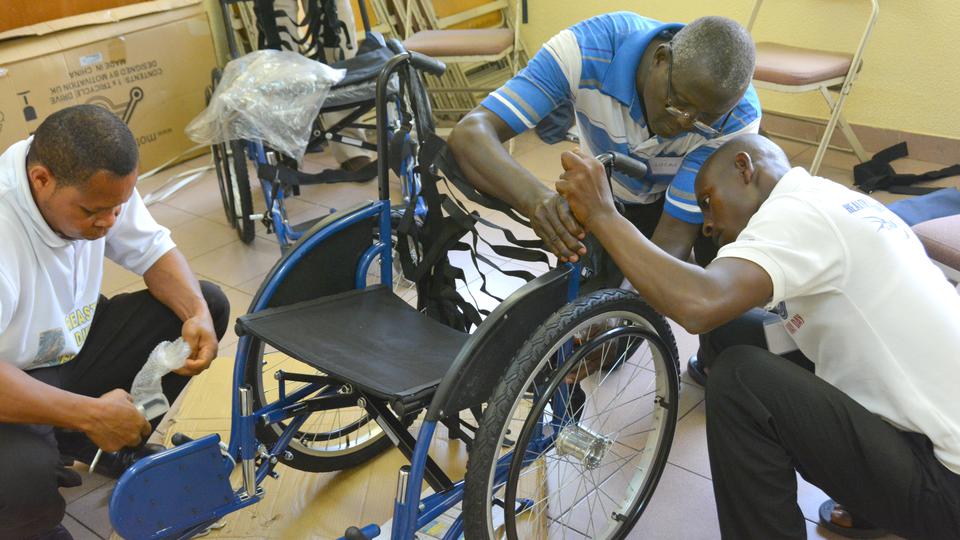
A look at how donated hospital beds are transforming patient care.